
When Things Do Not Go According to Plan
Mistakes come in different forms. There are those that are quickly forgotten—an email sent to the wrong person, being late for an important meeting, a bad joke. And there are those that alter the trajectory of a life. Being fired due to your own negligence, relationships ruined by a wrong choice, major financial losses. Such events leave behind a feeling as if you have personally shattered something very valuable, and now you stand among the ruins, not knowing what to do next.
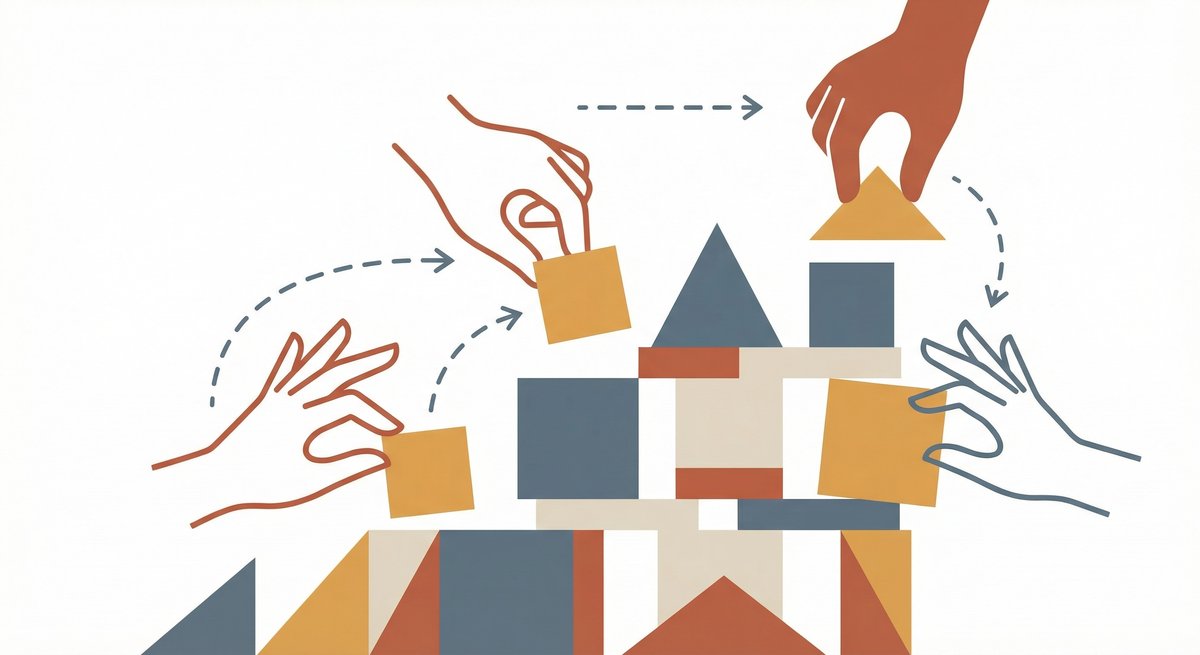
The first reaction to a serious mistake is always a desire to rewind time. A person can spend hours replaying that exact moment in their head: «if only I had said it differently,» «if only I had not gone there.» But time only works in one direction. And sooner or later, the moment comes when you have to face reality: what happened has already happened. And now you have to figure out how to live with it.
This is the hardest stage—accepting the fact of the mistake. Not just acknowledging it in words, but internally agreeing that it is now a part of your history. Without this acceptance, moving forward is impossible, because you will constantly try to fix the past instead of building the future.
The Burden of Guilt and How to Handle It
Guilt is a natural reaction to doing something wrong. It signals that your actions are out of sync with your own values. But when the mistake is large, guilt can become toxic. It stops being just a signal and turns into a constant internal judge that grants no pardons. A person begins to believe that they did not just commit a bad act, but that they themselves are bad.
Those who have managed to survive major life crises and start over often talk about one important step: separating yourself from your action. «I made a terrible mistake» and «I am a terrible person» are two different things. The second paralyzes. The first leaves room for action and correcting the situation.
Guilt does not disappear instantly, and you should not fight it. You need to learn to tolerate it. Give yourself the right to feel the pain of what happened, but do not let that pain define your worth as a human being. It is a process that requires time and often—outside help, from those who can look at the situation more objectively.
Where to Find a Starting Point for a New Beginning
When an old life is destroyed by a mistake, the hardest thing is to find solid ground to push off from. Familiar supports often disappear: the trust of loved ones may be undermined, reputation ruined, and self-confidence shattered. Where, then, do you look for that starting point?
Often, it is found not in grand achievements or plans, but in very simple, basic things. In getting up in the morning and doing exercises. In having an honest conversation with the person you hurt, even if they do not forgive you. In finding any job just to support yourself until a better option appears.
A starting point is always honesty with oneself. It is understanding where you are right now, without embellishment and without unnecessary self-flagellation. It is simply a fact: I am here, I have this, and from here I can take one small step forward.
How a New Life is Built After Destruction
Life after a big mistake is rarely the same as it was before. And that is normal. It might be humbler, quieter, but often—more honest. People who have gone through this experience often share that they lost many illusions about themselves and others, but in return, they gained something more valuable—a realistic view of the world.
A new life is built from small, daily choices. From how you react to new difficulties. From how you build new relationships, remembering old mistakes but not letting fear control you. From how you learn to forgive yourself when you do something wrong again (because mistakes will still happen).
Starting over does not mean erasing the past. It means taking lessons from it, drawing conclusions, and moving on, carrying this experience not as a burden, but as a part of your complex, yet unique, human story.