
The Moment They Cease to Be Just a Function
For most people, parents remain simply «parents» for a long time—a function, a role, an institution that provides, punishes, supports, or ignores. We see them exclusively through the lens of what they do for us or what they fail to do. But one day, often in adulthood, a shift occurs: you suddenly notice them simply as people. With their quirks, fears, insecurities, and exhaustion. This moment can happen during an ordinary kitchen conversation, when your mother unexpectedly shares her genuine doubts about work. Or when you watch your father looking lost while trying to figure out a new piece of technology. Suddenly it becomes obvious: these are not the omnipotent figures from childhood, but ordinary people who, in their time, tried to cope with life the best they could. This realization is confusing because it destroys the familiar hierarchy we have been used to since infancy. But it also opens the way to a completely different level of relationship—less demanding and more human.

Understanding Their Own Unrealized Dreams
In childhood, we tend to believe that our parents' lives always revolved exclusively around our family. Only upon becoming independent adults do we start to notice the echoes of what they had to give up. Perhaps it was an unrealized profession they never got around to because they had to earn a living for a stable life. Or a hobby they had to leave in the past due to a lack of time. When we ourselves face the necessity of making difficult choices between a career, our own desires, and responsibilities to others, our parents' choices take on a completely different context. What might have previously seemed like their limitation or conservatism now looks like the consequence of compromises they made. We begin to understand that they too once had big plans, doubts, and disappointments. Sometimes this realization comes with a certain sadness, because for the first time you see not just the person who raised you, but a person whose own story turned out to be more complex and not always as they had dreamed. This makes their figure more multi-dimensional and real.
Why They Made Those Particular Mistakes
An adult often carries a whole list of grievances about how they were raised. They were too strict, or conversely—did not pay enough attention. They demanded perfect grades or did not support interests. But over the years, especially when we face crises, exhaustion, or the need to bear responsibility ourselves, these mistakes begin to look different. You realize that their strictness might have simply been a consequence of deep anxiety about your future. And the lack of emotional support—a consequence of the fact that they themselves never received it and simply did not know how to give it. Understanding the context does not cancel the fact of the mistakes and does not mean the pain from them disappears. But it strips the parents of the demonic halo of «people who deliberately did everything wrong.» They were not perfect parenting experts; they were ordinary twenty- or thirty-something people who often acted blindly, exhausted by work, without the internet filled with psychological advice, relying only on the experience they received from their own parents.
Transitioning from Childhood Grievances to a More Complex Picture
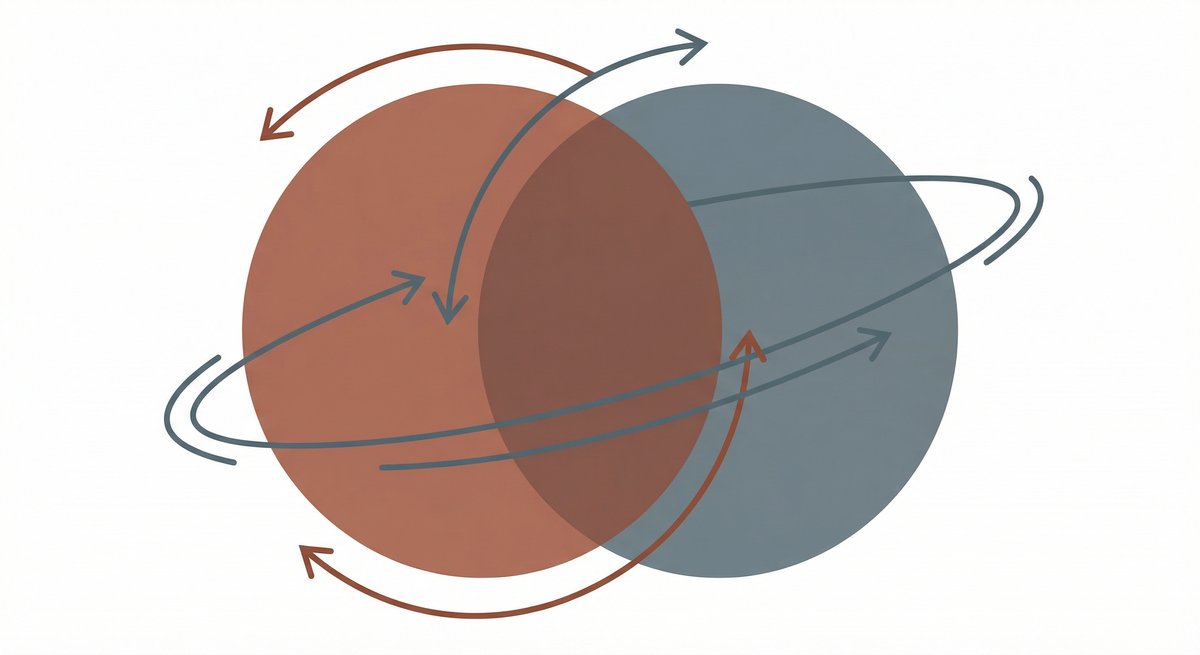
The process of growing up is often accompanied by a stage of separation, where grievances against parents come to the forefront. This is a normal and necessary stage that helps separate oneself from them. But later, if a person continues to develop internally, another period arrives—integration. Grievances do not necessarily disappear completely, but they cease to be the only lens through which we view the family. The picture becomes much more complex: alongside what was painful, what was valuable begins to emerge. Alongside the mistakes, their efforts become visible. A person discovers they can simultaneously be angry at their father for his detachment in childhood and feel gratitude for his reliability in difficult moments. This paradoxical combination of feelings is a sign of true psychological maturity. You stop demanding the past to be perfect and start working with what is. And it is this rejection of black-and-white thinking that allows you to breathe more freely and stop wasting so much energy on an internal struggle with what cannot be changed.
Getting to Know Them as Ordinary Adults
One of the most unexpected things in adult life is the opportunity to get to know your parents all over again. Not as a child with an authority figure, but as two adult people with their own stories. When you start asking them questions not about yourself, but about them: what their youth was like, what they feared at your age, how they met, what they felt when they faced difficulties. And often the answers turn out to be completely different from what you expected. Behind the facade of the familiar role lies a person with an unexpected sense of humor, with interesting observations, with an experience that suddenly resonates very much with your present. Of course, this does not happen in every family and it is not always easy. Sometimes the walls of misunderstanding are too thick. But when this connection is successfully established, it brings an amazing feeling: you do not just have parents, you have interesting conversational partners who have known you since day one, but at the same time remain a separate, deep world worth exploring.
Realizing Their Vulnerability and Aging
This moment is rarely pleasant, but it is inevitable. Sooner or later you notice that their steps have become slower, that it is harder for them to remember new things, that tasks which previously came easily now require effort. The physical and emotional vulnerability of parents is something we try to turn away from for a long time, because it reminds us of the fleeting nature of time and the inevitability of loss. When they stop being the ones who solve problems and gradually become the ones who need help, the roles begin to reverse. This is a difficult transition, often accompanied by internal resistance and sadness. But it also has a great potential for depth. Accepting their weakness requires patience and tact from us that we might not have had before. It teaches us to care not out of a sense of duty, but out of humanity. The ability to witness the aging of loved ones and stay by their side without emotionally detaching is one of the most important challenges of adulthood, one that profoundly changes our own attitude toward life.
A New Format of Communication on Equal Terms
When all these realizations come together—an understanding of their mistakes, their dreams, their vulnerability—a space is created for a new format of communication. It is a communication with no room for childish demands and parental lecturing. You stop expecting perfect solutions from them and stop trying to prove yourself right in every argument. Instead, the opportunity arises to simply be there. In this new format, you can calmly say «I disagree with you» without turning it into a drama. You can share a problem, knowing that even if they do not understand modern realities, they will understand your state. Naturally, this transition does not happen overnight, and it requires effort from both sides. Not all parents are ready to give up the familiar hierarchy, and not all children are ready to let go of their expectations. But when it succeeds, the relationship becomes much easier. You understand that parents are simply people walking their path alongside you, and the time you have left to spend together is too precious to waste on old scripts.