
The First Evening Among Strange Windows
Moving to another city is always a project, filled with expectations, plans, and hopes for a better life. But when all the boxes are unpacked, things are put on the shelves, and the noise from the move subsides, the first real evening in the new place begins. You step out onto the street or simply look out the window—and suddenly realize: you are absolutely alone here.
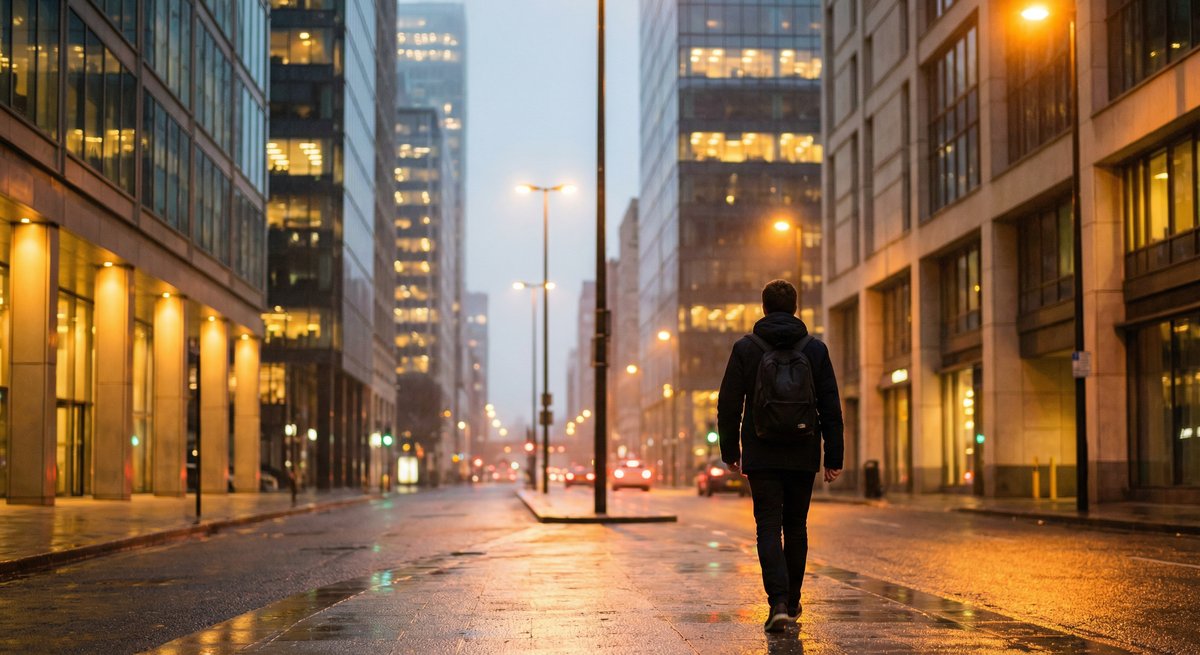
The lights in the windows opposite belong to people who have their own stories, their own routes, their own problems. And to this city, you are for now just a shadow; no one knows your name, no one is waiting for you at the corner cafe. This feeling of absolute anonymity can simultaneously be frightening and grant a strange freedom. You can be anyone, because there is no one here to remember your past self.
But this freedom quickly collides with the reality of daily life. You have to find the nearest supermarket, figure out how the transit system works, memorize the route to work. These small, everyday actions in a new place drain an incredible amount of energy. It is as if you are learning to walk again, and every step requires a conscious effort.
Solitude as a Space to Meet Yourself
In a familiar environment, loneliness is often masked by routine, friends, and random encounters. In a new place, where social ties do not yet exist, solitude becomes your main company. You suddenly have a lot of time that previously went into socializing, and this time needs to be filled with something.

Often, people try to escape this state: they throw themselves headfirst into work, constantly sit on social media chatting with old friends. But the true experience of moving begins when you allow yourself to be in this solitude. When you go for a walk alone, sit in a coffee shop alone, explore new streets without company.
It is precisely in these moments, when there is no one to reflect your identity, that you begin to better understand who you really are. What do you actually enjoy doing when no one is watching and no one is judging? What are your true interests, uninfluenced by your old circle? Solitude in a new place is a harsh but highly effective tool for self-discovery.
How New Connections Gradually Grow
Eventually, the anonymity stops being so total. The first acquaintances appear: the barista who remembers your coffee order, the colleague you commute home with, the neighbors you greet in the elevator. These connections are very fragile, they are not yet friendships, but they create the first safety net in the new environment.
Building new relationships in adulthood is difficult. It requires vulnerability and initiative—you have to invite people for coffee yourself, suggest mutual plans, risking rejection. It is not always comfortable, but it is the only way to turn a strange city into your own.
These new acquaintances often differ from the old ones. They might be based on more specific interests or life stages. You learn to value people for who they are now, rather than for who they were in the past. And every such new thread of connection makes the city a little warmer and more familiar.
The Moment the City Becomes Yours
It is impossible to pinpoint the exact day when this happens. But one day you notice that you stopped using the GPS to get to the center. That you have your «own» spot for breakfast. That you know which subway station is best to exit to avoid the crowd. That streets which once seemed hostile now look familiar.
The first year in a new place ends when the feeling of temporariness disappears. When you stop mentally comparing everything to «how it was back home» and start living here and now. You may still miss the past, but now you have your own present.
Moving to a strange city and a year lived alone leave an important mark: the understanding that you can handle it. That you are capable of building a life from scratch, finding your people, and making a foreign place your home. This knowledge becomes an internal foundation that can no longer be taken away.